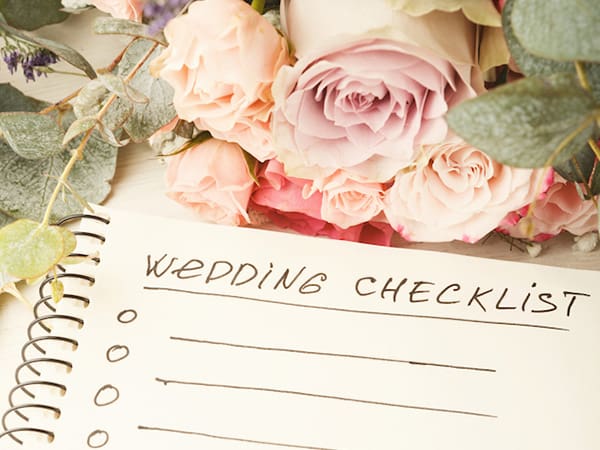
You got engaged, you’re excited, and then reality sets in. There are venues to tour, vendors to compare, contracts to read, and a budget that somehow needs to make sense of it all. That’s usually the moment couples start wondering whether a planner is worth it, and what one actually does.
Here’s what full-service wedding planning looks like, especially for a Montana wedding.
It starts with a realistic budget
Before anything gets booked, a full-service planner helps you build a budget that reflects your priorities. Do you care most about the food, the photography, the flowers, the experience for your guests? A clear plan up front prevents the “how did we already spend that?” moment halfway through planning.
We also keep the budget updated as decisions get made, so you always know where you stand.
Venue research that fits your vision
Montana venues are a big part of the appeal, but they come with their own considerations: distance from town, guest lodging, weather, power, restrooms, rentals, and how much the venue does or doesn’t provide. Some spaces are stunning but require significant outside rentals and logistics to function as a wedding venue.
A planner researches options that match your style, guest count, and budget, and helps you ask the right questions before you tour or sign.
A vendor team that works well together
Anyone can find a list of photographers and florists. The harder part is building a team that fits your style, your budget, and each other. Full-service planning includes:
- Vendor sourcing and recommendations
- Proposal comparisons so you can see options side by side
- Contract review before you commit
- Communication with your vendors, so you’re not the middleman
When your florist, caterer, rental company, and photographer are all working from the same plan, the day runs more smoothly.
Design that feels like you
A cohesive wedding doesn’t happen by accident. Your planner helps develop a design direction, often starting with a mood board, then coordinates florals, rentals, and décor so everything works together instead of feeling like a collection of separate ideas.
The details couples don’t see coming
Every wedding has a long list of logistics that don’t appear in the Pinterest photos:
- Guest travel and lodging
- Transportation
- Timelines for vendors, family, and the ceremony
- Rehearsal planning
- Load-in, setup, and breakdown
For destination-style Montana weddings, where guests often travel from out of state and venues may be a distance from town, these logistics matter even more.
Wedding weekend coordination
This is the part most people picture when they think of a planner, and it’s just the final stretch. On the wedding weekend, your planner and team manage the rehearsal, keep vendors on schedule, handle problems before you hear about them, and make sure the timeline actually happens.
You get to be present with your people, and not answer questions about where the cake knife is.
Is full-service planning right for you?
Full planning is a great fit if:
- You want expert guidance from the start, not just at the end
- You’re planning from out of town or out of state
- You have a busy schedule and limited time to research and manage vendors
- You want a cohesive, designed celebration without doing all the work yourself
If you’ve already done much of the planning and just need help with the final details, partial planning or wedding management may be a better fit.
Let’s talk about your Montana wedding
Our full-service planning experience, The Ever After, is designed to guide you from the first big decisions to the last detail. We serve couples in Helena, Bozeman, Big Sky, Livingston, and throughout Montana.
Ready to talk it through? Book a consultation and let’s start planning.